
The pest control industry is competitive, and customers often search online when they need immediate help with termites, rodents, bedbugs, or other unwanted pests. Therefore, having a website is not enough. Your business must also appear in relevant search results when potential customers look for reliable pest control services in their area.
This is where pest control local SEO becomes essential. It helps pest control companies improve their visibility in local search results, connect with nearby customers, and generate more service inquiries. However, search engine optimization continues to evolve. Businesses that adapt to changing search trends can gain an advantage over competitors that rely on outdated marketing methods.
1. Focus on Local Search Intent
Local search remains an important part of digital marketing for pest control businesses. Customers frequently use location-based phrases such as “pest control near me,” “termite treatment in Austin,” or “rodent removal services in my area.”
Consequently, businesses need to optimize their websites for the locations and services they actually cover.
Start by creating dedicated service pages for important offerings, such as termite control, bedbug treatment, mosquito control, and rodent removal. Include relevant service-area information, clear descriptions, and useful answers to common customer questions.
2. Optimize Your Google Business Profile
Your Google Business Profile can influence how customers discover your pest control company through Google Search and Maps. Therefore, keeping it accurate and informative should be a priority.
Begin by selecting the most appropriate primary business category and adding relevant secondary categories where applicable. Update your operating hours, phone number, website link, service areas, and business description.
3. Create Helpful, Customer-Focused Content
Content marketing continues to play an important role in SEO. However, publishing numerous repetitive blog posts simply to target keywords is unlikely to deliver sustainable results.
Instead, focus on answering questions that potential customers genuinely ask.
For example, you could publish articles on:
- How to identify early signs of termite damage.
- What attracts rodents to residential properties?
- How to prepare a home for professional pest treatment.
- When should homeowners schedule mosquito control?
- What is the difference between DIY pest control and professional treatment?
4. Prepare for AI-Powered Search Experiences
Search engines are increasingly incorporating AI-generated summaries and conversational search features into the discovery process. As a result, pest control businesses should create content that clearly answers specific questions.
For example, instead of writing a vague heading such as “Our Pest Solutions,” use descriptive headings like “How Long Does Professional Termite Treatment Take?”
5. Improve Website Speed and Mobile Experience
Many customers search for pest control services on their smartphones, particularly when they need prompt assistance. A slow or confusing website can make them leave before contacting your business.
Therefore, mobile optimization should be a central part of your SEO strategy. Ensure that your website loads quickly, displays correctly on different screen sizes, and offers simple navigation. Use compressed images, minimize unnecessary scripts, and maintain a clear page structure.
6. Build Trust Through Reviews and Local Authority
Trust is especially important when customers allow service professionals into their homes or businesses. Online reviews, accurate service information, and a credible website can help potential customers make informed decisions.
Encourage customers to share honest feedback after completing a service. Respond thoughtfully to their comments and address concerns without disclosing private customer information.
7. Use Data to Refine Your SEO Strategy
Successful SEO requires regular measurement. Without tracking performance, it can be difficult to determine which activities generate meaningful business results.
Use Google Search Console to monitor search impressions, clicks, queries, and indexing issues. Google Analytics can help you understand website traffic and visitor behavior.
Working with experienced SEO experts can help your business identify opportunities, prioritize improvements, and adapt to changes in search behavior.
8. Choose an SEO Strategy Built for Long-Term Growth
SEO is not a one-time task. Search competition, customer behavior, website performance, and search engine systems continue to change.
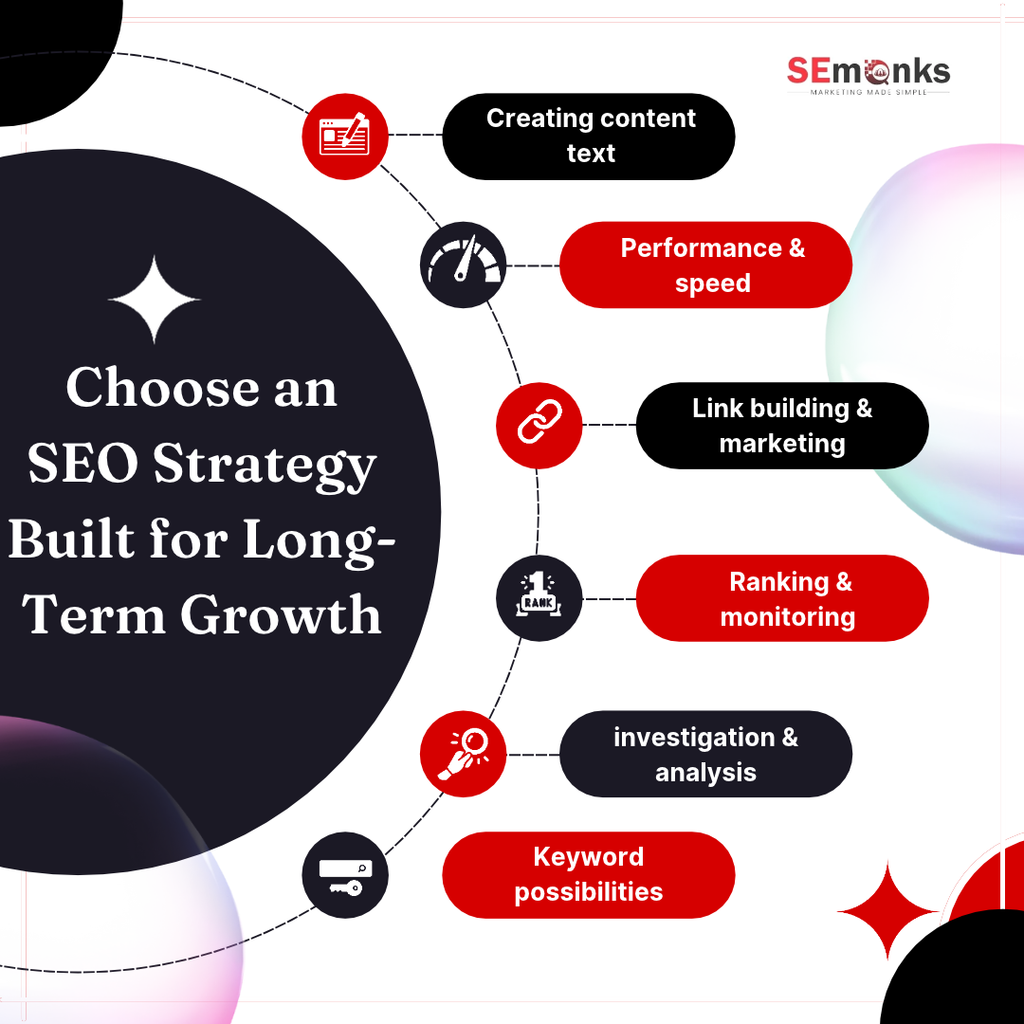
Therefore, pest control companies should follow a consistent optimization process that combines technical improvements, useful content, local visibility, and performance tracking.
This is where a digital marketing partner can help. SEmonks helps businesses strengthen their online presence through SEO-focused strategies designed around visibility, website performance, and lead generation.
Conclusion
Staying ahead of competitors requires pest control businesses to adapt to changing search trends while maintaining a strong foundation. Local search optimization, Google Business Profile management, helpful content, mobile-friendly websites, and reputation building all contribute to a more effective digital presence.
By investing in pest control local SEO, your business can improve its chances of reaching nearby customers when they are searching for relevant services.
Ready to get more pest control calls in your area? Contact SEmonks today for a free local SEO consultation.
Frequently Asked Questions
1. What is pest control local SEO?
Pest control local SEO is the process of optimizing a pest control company’s website and online business profiles to improve visibility in location-based search results. It includes Google Business Profile optimization, service-area pages, local keyword targeting, review management, and technical SEO.
2. How can pest control companies improve their local Google rankings?
Pest control companies can improve their local search presence by maintaining an accurate Google Business Profile, creating useful service pages, collecting genuine customer reviews, improving mobile website performance, and earning relevant local links. Results depend on competition, location, and the quality of implementation.
3. Why should pest control businesses hire SEO experts?
SEO experts can help pest control businesses identify valuable keywords, resolve technical website issues, improve local search visibility, and measure lead generation. Their guidance can help businesses focus their marketing efforts on strategies that support long-term growth.

